Optimize Your Speed with High-Efficiency OEM Parts New Zealand
Wiki Article
A Comprehensive Overview to Picking the most effective Bike Parts for Your Experience
Selecting the best bike parts is important for any kind of cyclist. Each element plays a considerable function in boosting efficiency and comfort. Understanding the kind of bike and its desired usage is essential. From handlebars to tires, every information matters. This overview will check out the important facets of picking these elements. The right options can boost any kind of adventure, however what particular variables should one think about to accomplish the most effective results?Comprehending Bike Kinds and Their Elements
How can one choose the right bike parts without comprehending the various kinds of bikes? Each bicycle type-- mountain, cruiser, crossbreed, and road-- attributes special components customized to its specific feature. Mountain bicycle, as an example, are furnished with durable frames and broader tires for off-road security, while roadway bikes prioritize light-weight materials and aerodynamic styles for speed on paved surfaces.Hybrids mix aspects from both hill and road bikes, using flexibility for diverse terrains. Cruisers, designed for convenience, feature larger seats and handlebars for a more relaxed riding placement. Each kind likewise makes use of distinct gear systems, brakes, and wheels that accommodate their intended use.Understanding these differences is important for picking reliable and compatible bike components. A motorcyclist's selection can especially enhance performance, security, and total enjoyment. By identifying the features of each bicycle kind, one can make enlightened decisions when upgrading or replacing components.Trick Factors To Consider for Picking Handlebars
When choosing handlebars, a rider must consider different factors that can significantly affect comfort and control. One main factor to consider is the size of the handlebars, as it affects stability and leverage throughout rides. Broader handlebars usually provide better control, especially in technological surfaces, while narrower ones may enhance aerodynamics for racing.Additionally, the rise or drop of the handlebars influences the biker's position. Greater handlebars advertise an extra upright setting, reducing strain on the back, while reduced ones can improve aerodynamics. The form of the handlebars is likewise crucial; alternatives like flat, riser, or decline bars accommodate various riding designs and preferences.Material is one more crucial variable, with light weight aluminum and carbon fiber being popular for their balance of weight and resilience. Inevitably, the ideal handlebars should align with the cyclist's planned usage, ensuring a effective and satisfying cycling experience.
Selecting the Right Saddle for Comfort and Performance
Choosing the best saddle is crucial for making the most of convenience and efficiency during adventures. An appropriate saddle can substantially affect a cyclist's experience, straight affecting energy levels and total pleasure. When choosing a saddle, factors such as width, form, and cushioning need to be carefully taken into consideration. The saddle's width need to line up with the rider's rest bone dimensions, making certain sufficient assistance. Additionally, extra padding choices differ amongst riders; some may like very little padding for a much more direct connection to the bike, while others may look for luxurious padding for improved convenience on longer adventures. Saddle form likewise plays a crucial function, as it impacts the distribution of pressure during pedaling. Additionally, products made use of in building can affect weight and toughness. Inevitably, evaluating various saddles is important, as personal convenience differs considerably. A thoughtful approach to saddle choice can bring about improved performance and an extra satisfying cycling experience.The Importance of Quality Tires for Various Surfaces
Selecting the ideal tires is important for ideal performance throughout numerous surfaces. Various surface areas require specific tire features, such as walk patterns and rubber compounds, to ensure traction and toughness. Additionally, the durability and durability of tires can considerably influence a cyclist's general experience and safety and security when driving or route.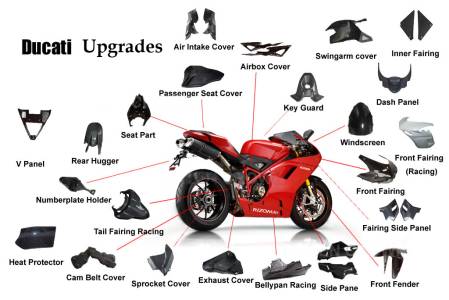
Terrain-Specific Tire Features
How does the terrain impact tire performance? Different terrains need unique tire features to maximize performance and safety. For example, mountain cycling on rough tracks demands tires with hostile tread patterns to provide hold and stability. On the other hand, roadway biking on smooth surface areas gain from narrower tires that reduce rolling resistance.In muddy or wet conditions, tires designed with deeper grooves can carry water successfully, stopping hydroplaning. Furthermore, softer compounds may boost grip on glossy surfaces, while tougher compounds offer durability on rough courses. Comprehending these terrain-specific tire attributes is crucial for bicyclists aiming to boost their riding experience. Picking the proper tire not only effects dealing with but additionally total convenience, making it crucial for motorcyclists to match their tires to their designated terrain.Tire Longevity and Performance
Quality tires greatly affect a bicyclist's performance and security throughout different terrains. The durability of tires is vital for withstanding the rigors of various surface areas, from tough tracks to smooth roadways. Better tires typically feature strengthened sidewalls and advanced rubber substances, which improve their longevity and hold. For example, tires made for off-road conditions typically possess much deeper treads that give better grip on loose surfaces, while roadway tires focus on a smoother account for reduced rolling resistance. In damp conditions, tires with specialized walk patterns can enhance handling and reduce the danger of hydroplaning. Inevitably, purchasing quality tires customized to specific riding settings can significantly enhance general cycling experience, making sure both performance and safety and security.Gearing Systems: Discovering the Perfect Suitable For Your Riding Design
While lots of cyclists comprehend the value of an excellent bike frame or wheels, the gearing system plays an important duty in boosting efficiency and convenience when driving or route. Choosing the ideal tailoring system depends greatly on specific riding style and terrain. Road bicyclists commonly benefit from a small gearing configuration, enabling for smoother shifts and higher speeds on flat surface areas. On the other hand, hill cyclists may favor a bigger series of equipments to take on steep climbs and harsh descents.Cyclists should additionally consider the variety of equipments; a 1x system simplifies shifting and lowers weight, while a 2x or 3x system offers flexibility for varied terrains. Understanding equipment proportions is important, as reduced proportions promote less complicated pedaling uphill, while greater ratios sustain speed on flat stretches. Ultimately, the ideal gearing system harmonizes with the rider's preferences, making certain a effective and pleasurable biking experience.Enhancing Your Adventure With the Right Brakes
Choosing the appropriate braking system is as crucial as picking the ideal gearing for a bike. The top quality and kind of brakes can significantly affect a bicyclist's control, safety, and general riding experience. Cyclists usually deal with a selection in between edge brakes and disc brakes. Rim brakes are typically lighter and much easier to maintain, making them a popular option for roadway bikes, while disc brakes offer remarkable quiting power and performance in varied climate conditions, perfect for mtb and exploring setups.Moreover, brake pads play an important duty in braking performance. Choosing the ideal product-- such as organic, metallic, or semi-metallic-- can improve efficiency based on riding problems and personal preferences. On top of that, correct alignment and routine upkeep of the braking system warranty reputable efficiency and longevity. Inevitably, purchasing the best brakes customized to specific riding designs can improve security and pleasure on every adventure.Updating Accessories for a Better Biking Experience
Upgrading devices can considerably boost a biker's experience on the road. Necessary safety and security gear, such as lights and safety helmets, incorporated with convenience enhancements like ergonomic holds and padded seats, can make a notable distinction. These upgrades not only boost safety and security yet also promote longer and much more satisfying experiences.Necessary Safety And Security Gear
Security gear is an important element of a bicyclist's collection, improving both security and comfort on the roadway. Safety helmets are the most important thing, considerably minimizing the danger of head injuries in situation of an accident. High-visibility clothes and accessories, such as reflective vests and lights, guarantee that cyclists continue to be noticeable to motorists, especially in low-light problems. Gloves provide grasp and reduce the possibility of blisters, while knee and elbow joint pads can supply added defense during falls. Choosing appropriate shoes with a great grip can additionally boost security while cycling. Buying high quality safety equipment not only advertises a more secure trip but also enhances a bicyclist's confidence, allowing them to enjoy their biking experience to the max.Comfort Enhancements and Upgrades
Cyclists frequently look for to enhance their riding experience beyond fundamental precaution. Comfort improvements and upgrades play an important role in achieving this objective. One of one of the most significant upgrades is a top notch saddle, developed to provide maximum assistance and decrease discomfort during longer rides. In enhancement, handlebar grips that use far better ergonomics can alleviate stress on wrists and hands. Buying cushioned biking shorts can furthermore boost comfort by decreasing rubbing and pressure factors. Shock-absorbing seat blog posts and wider tires can boost ride quality by moistening resonances from rough terrain. Ultimately, adjusting the bike fit guarantees that settings are suitable for individual bikers, bring about a more comfortable and enjoyable biking experienceRegularly Asked Inquiries
Just how Do I Keep My Bike Components for Long Life?
Keeping bike parts for longevity involves normal cleansing, lubrication, and evaluation. Appropriate storage away from moisture, prompt substitute of used parts, and adherence to producer standards can considerably boost the life expectancy and performance of the bicycle.What Devices Do I Required for Bike Part Installation?
To set up bike components efficiently, one generally calls for necessary tools such as wrenches, screwdrivers, tire bars, a multi-tool, and a pump. These instruments facilitate correct setting up, ensuring perfect performance and durability of the bike parts.
Just how Often Should I Replace Bike Components?
Can I Mix and Suit Parts From Different Brands?
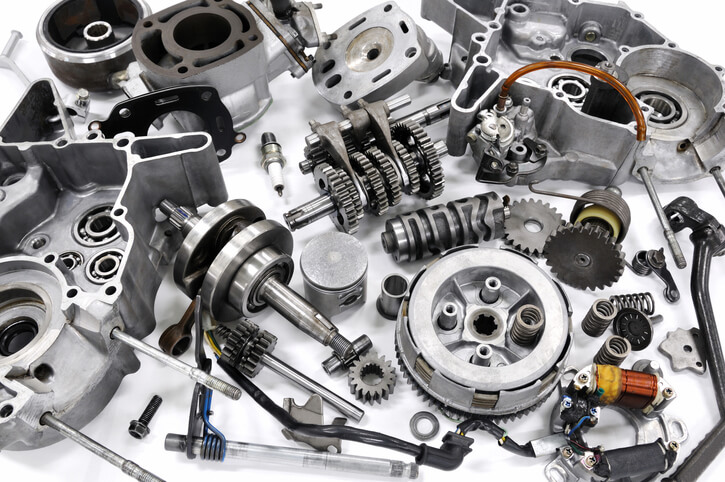
Blending and matching bike components from different brand names is possible, yet compatibility is crucial (Motorcycle Spares Christchurch). Aspects like measurements, products, and layout ought to be thought about to guarantee peak efficiency and safety and security, highlighting the importance of research before any type of combinationWhat Are the Indications of Worn-Out Bike Components?
Indications of damaged bike parts include unusual sounds throughout experiences, reduced performance, noticeable damages such as cracks or rust, and difficulty moving equipments. Regular assessments can aid identify these problems before they jeopardize safety and performance. Mountain bikes, for circumstances, are equipped with durable frames and larger tires for off-road security, while roadway bikes focus on light-weight products and wind resistant Motorbike Components NZ layouts for speed on paved surfaces.Hybrids mix components from both mountain and road bikes, using convenience for varied surfaces. On the other hand, road cycling on smooth surfaces benefits from narrower tires that minimize rolling resistance.In muddy or wet conditions, tires created with much deeper grooves can funnel water effectively, avoiding hydroplaning. Comprehending these terrain-specific tire features is vital for bikers intending to improve their riding experience. Tires created for off-road problems typically possess much deeper footsteps that provide better traction on loosened surfaces, while road tires prioritize a smoother profile for decreased rolling resistance. To mount bike components effectively, one typically requires essential devices such as wrenches, screwdrivers, tire bars, a multi-tool, and a pump.Report this wiki page